TLR Tree Service

The Best and Worst Trees to Plant Near a House (By Zone)

Why Fast-Growing Trees for Privacy Matter

Planting young trees is more than just filling empty space—it’s about shaping the future of your property. The right trees provide shade, beauty, and privacy. But choosing the wrong ones can bring expensive problems like invasive roots, foundation damage, or endless cleanup. Here’s your guide to selecting fast-growing trees that add value without risk.

When homeowners ask, “What are the best fast-growing trees for privacy by zone?” the answer is rooted (literally) in science and local knowledge. Each tree species has its own growth habits, root structure, and maintenance needs. In this guide, we’ll explore how close you should plant trees to your house, which trees to avoid, and which are the best options for safe, long-lasting privacy in Central Florida and beyond.

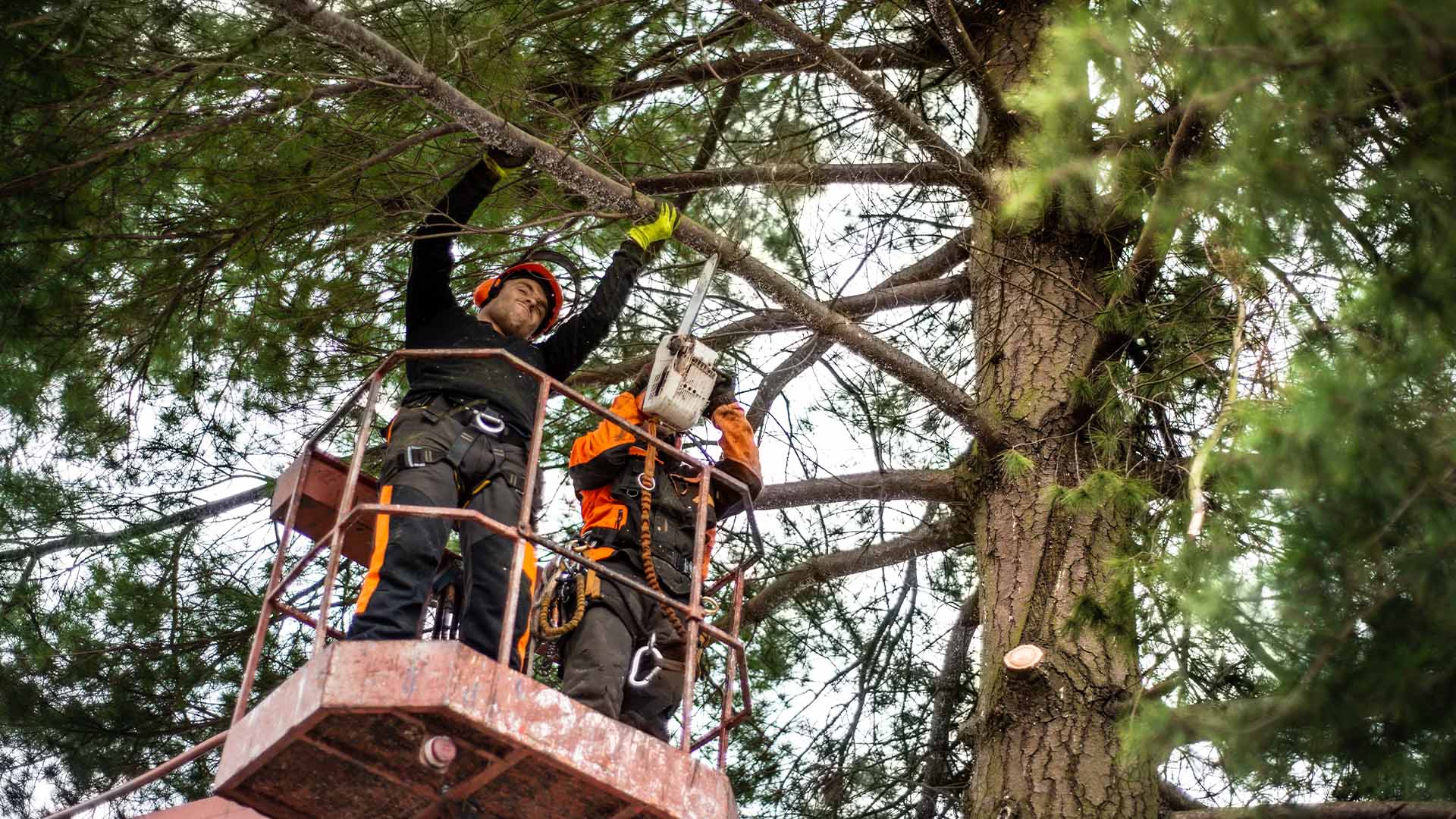
How Close Can You Plant Trees to a House?

The first consideration when planting fast-growing trees is distance. Many people underestimate just how far a tree’s roots can spread underground and how large the canopy will eventually become above ground. As a general guideline:
  • Small Trees (under 20 feet tall at maturity): Plant at least 8–10 feet away from the home.

  • Medium Trees (20–40 feet tall at maturity): Plant at least 15–20 feet away.

  • Large Trees (40+ feet tall at maturity): Plant no closer than 30–50 feet, depending on the species.

These distances help protect your home’s foundation, sidewalks, driveways, and underground utilities from root intrusion. They also ensure the canopy doesn’t interfere with roofs, power lines, or gutters. In Florida’s climate, trees can grow aggressively, especially in warm and rainy seasons. This makes proper planning even more important. Planting too close to your home may provide quick shade but will almost always cause long-term issues.

Trees to Avoid Near Homes

While many trees look beautiful and grow quickly, not all are suitable for planting near your house. Here are the worst offenders when it comes to root invasiveness and maintenance problems.
  • White Ash (Zones 2–9): Fast-growing but invasive roots and prone to pests.

  • Poplar (Zones 3–8): Aggressive roots that can damage sewers and foundations.

  • American Elm (Zones 3–9): Shallow roots disrupt lawns, sidewalks, and driveways.

  • Silver Maple (Zones 3–9): Surface roots create hazards above ground.

  • Weeping Willow (Zones 6–8): Notorious for invading sewer lines.

  • Oak (Zones 8–10): Beautiful but destructive roots near structures.

Better Options for Near Homes

Now let’s look at safer, more reliable choices for creating natural privacy screens without the destructive downsides.
  • Crabapple (Zones 3–8): Compact, flowering, and low maintenance.

  • American Hornbeam (Zones 3–9): Small and slow-growing.

  • Cornelian-Cherry Dogwood (Zones 4–7): Beautiful flowering tree for landscaping.

  • Japanese Maple (Zones 5–8): Patio-friendly with stunning color.

  • Flowering Dogwood (Zones 5–8): Decorative tree perfect near walls.

  • American Holly (Zones 5–9): Evergreen beauty with minimal upkeep.

Trees are an investment in your property’s value and beauty. Choosing wisely today saves you costly repairs tomorrow. At TLR Tree Service, we guide homeowners in Central Florida to select and plant trees that provide privacy, safety, and long-term health.